

Blog


Deep Conditioner is here!
Over the years, we've received many requests to create a deep conditioner that provides extra nourishment to the hair. And it's finally here! Read on to learn more about why you should add a deep conditioner to your Plaine Routine. Benefits of Using a Deep Conditioner Our new Deep Conditioner is full of ingredients that work to penetrate the hair strands on a much deeper level than our regular conditioner. Deep conditioning hydrates and softens hair and improves hair elasticity. It can be great for hair that has been damaged from coloring, styling, curling, and other heat styling tools. Even if your hair is not damaged, it can still benefit from the hydrating ingredients in our deep conditioner. Deep conditioning is a great preventative tool to maintain your healthy-looking hair. After using deep conditioner your hair will look shinier and be more manageable. Not only will a deep conditioner make your hair look healthier and softer, but it can also help prevent hair breakage. You will need to leave it in a bit longer than our original conditioner so it has time to work and repair and restore strength to your hair. We recommend 5-30 minutes.What's In It? Our Deep Conditioner has been specially formulated to penetrate down to the innermost layer of the hair in order to add moisture and nutrients from the inside out.Like most of our products ,Aloe is the main ingredient in our new deep conditioner. Aloe Vera can attract and lock in moisture helping your hair to be shinier, smoother, and more healthy-looking. The numerous vitamins, minerals, and amino acids that aloe contains promote hair growth, prevent and soothe itchiness, reduce dandruff, calm inflammation, and condition hair.Alcohols might not sound like something you would want in your deep conditioner butfatty, long-chain alcohols help lock in moisture. Our formula includesBrassica Alcohol and Brassicyl Valinate Esylate which are natural emulsifiers derived from rice and sugar cane. This provides natural conditioning and is a good replacement for silicones. These emulsifiers help to soften and detangle your hair without buildup.You'll also findCetearyl Alcohol . Like brassica alcohol, it is a fatty alcohol derived from plants. In addition to being an emulsifier, it is also a stabilizer used to prevent the ingredients from separating.Our deep conditioner is also full of rich emollient plant oils including: Linum Usitatissimum Seed Extract (Linseed Oil) - Linseed oil deeply nourishes the hair, promotes healthy growth, and leaves the hair shiny. Salvia Hispanica Seed Extract (Chia Seed Oil) - Chia Seed Oil is the richest plant source of omega-3 fatty acids and also contains antioxidants. It has excellent moisturizing properties. Argania Spinosa Kernel Oil (Argan Oil) - Argan oil can greatly nourish and moisturize your hair and protect your hair from everyday damage. Persea Gratissima Oil (Avocado Oil) - Avocado oil is highly moisturizing and full of Vitamin E. It is particularly beneficial for dry and damaged hair. Limnanthes Alba Seed Oil (Meadowfoam Oil) - Meadowfoam Oil is a non-greasy, rapidly absorbed emollient that helps reduces frizz and provide a natural shine. Astrocaryum Murumuru Seed Butter (Murumuru Butter) - Murumuru Butter works to soften hair while locking in moisture. Murumuru butter also helps restore hair and maintain elasticity, which can help to boost color. Sclerocarya Birrea Seed Oil (Marula Seed Oil) - Marula oil has hydrating and occlusive properties that can help nourish dry, brittle hair. It can help eliminate split ends and dryness and helps to strengthen hair and fight frizz. Our Deep Conditioner is an ultra-hydrating treatment that will restore strength, add shine, and smooth and soften your hair, without weighing it down. It is designed to add extra nourishment when you need it—whether that be 5-30 minutes, as a conditioner or as a leave-in hair mask, and on a weekly, monthly, or seasonal basis. We can't wait for you to try it! And be sure to check out our new deep conditioner in action - on 4C curls, heat-damaged hair, and thick hair/dry scalp. [caption id="attachment_1624883" align="aligncenter" width="370"] Dreah and their son after just 2 uses of our Deep Conditioner! Read their review here.[/caption]
Learn more
How To: Zero Waste Laundry
Confused by all the plastic-free laundry options on the market today? We’ve got you covered. Read on to learn more about how to achieve a zero-waste laundry routine. The Truth About “Plastic-Free” Detergent If you’ve already started your zero-waste laundry journey, chances are you’ve used a “plastic-free” detergent, like pods, strips, or sheets. But don’t be fooled: these products aren’t actually plastic-free! Products like these are made possible by a type of plastic called polyvinyl alcohol, or PVA. While PVA can be fully biodegradable, specific conditions are needed for that to happen, and those conditions don’t exist in typical wastewater treatment centers. In fact, PVA is so undetectable by these systems that up to 75% of the plastic in detergent pods ends up entering the environment. Not only are these microplastics entering human and animal bodies, but PVA has been shown to sequester heavy metals and disrupt crop yields. TLDR: laundry pods, strips, and sheets are NOT plastic-free, and they are not good for the environment or for your health. Sustainable Laundry Products The best way to achieve a plastic-free laundry room is to go with a dry detergent that doesn’t require plastic packaging. Here are some options we love: Blueland tablets Powdered detergents Soap berries Dryer sheets are also a zero-waste no-no, especially since they are made of plastic. If you’re looking for a plastic-free dryer sheet replacement, try these out: Wool dryer balls DIY aluminum foil balls to combat static cling Dampen a washcloth with vinegar and throw into the dryer Reusable dryer sheets Cheers to a clean, plastic-free laundry routine!
Learn more
How Plastic is Impacting Human Health
The impacts of plastic on the environment are clear. But how does plastic impact human health? Plastic is one of the most pervasive materials on the planet, and its chemicals are finding their way into our bodies and negatively affecting our health. Here’s how. We’re Eating Microplastics Plastic may seem super durable, but it doesn’t stay that way forever. As plastic gets older and enters the environment, it breaks down into smaller pieces called microplastics. These microplastics are plaguing our oceans, but they’re a problem for humans too: microplastics have been found in human waste, human blood, and human lungs. We’re Ingesting Chemicals The impact of microplastics doesn’t end there. Once microplastics are in our bodies, the chemicals in the plastic leach into our blood and tissues. Since plastic is so pervasive, these chemicals are also commonly found in drinking water and even in the air we breathe. These chemicals, like PFAS and phthalates, show links to kidney cancer and testicular cancer, as well as endocrine disruption. Exposure to plastic is making us sick, affecting human fertility, and impacting child development. Social Impacts of Plastic Like most environmental issues, the brunt of these negative impacts is felt by BIPOC communities and low-income groups. Oil refineries, a critical first step in creating plastic, are usually built around low-income or BIPOC communities, and contribute to high levels of toxic air pollution. In addition to production plants being built in their backyards, those with low economic resources often have to choose more affordable food items, which tend to be packaged in plastic. In short, the plastics industry exposes BIPOC and low-income individuals to unhealthy pollution along every step of the plastics lifecycle. It’s time to give up plastic for good; for our planet, for our bodies, and for our communities. For more on the health impacts of plastics in our daily lives, be sure to read these previous blog posts: Microplastics and Our Health Why We Need to Understand the History of Plastic Before We Can Tackle The Problem How Plastic Packaging Can Impact Our Health How Our Plastic and Carbon Footprints Are Intertwined Why You May Want To Avoid Black Plastic
Learn more
Sustainable Back-To-School Guide: College Edition
It’s time to pack those bags and head off to college! Whether you’re a first-year or a senior, the start of a new semester means new experiences and new routines. We’re here to help you keep those routines environmentally friendly with our sustainable back-to-school guide - College Edition! Get Your Dorm Essentials Second-Hand Lamps, coffee pots, rugs, bean bag chairs, cookware, tapestries…the list of dorm essentials goes on. Shopping for all of these items can be expensive and wasteful, especially if you only plan on using the item for a few semesters. Instead of buying new, see if you can get any of these items on Facebook Marketplace or other similar resale sites. Some college campuses are even creating their own second-hand markets, so do some digging and see if that’s an option at your university! Stock Your Shower Caddy Sustainably Be the talk of your shared bathroom with a sustainable shower caddy! Make your routine more environmentally friendly with our line of sustainable shower essentials, including shampoo, conditioner, and body wash in aluminum bottles. Take it a step further by switching to a reusable razor and natural loofah! Thrift Your Back To School Fits New year, new (to you) fits! While it can be tempting to buy brand new clothes for a new semester, consider buying second-hand to reduce your impact on the planet. Check out local thrift stores and consignment shops, or shop online with second-hand retail sites like Poshmark or ThreadUp. Rent Textbooks Buying textbooks every semester can be unsustainable for your wallet and the planet. Before you drop your money on a textbook, investigate if you can rent from your university bookstore or library. If not, see if the textbook is offered as an e-book, or buy the book second-hand from a peer. Don’t forget to sell it to the next student when you’ve completed the class! Participate in Campus Recycling Some waste is inevitable, like all the paper from those essays your professors assigned. When you can’t reuse something, make sure to recycle! Most universities offer recycling options on campus and in dorm buildings, so make sure you familiarize yourself with those processes once you arrive on campus. Join Student Green Clubs Joining clubs and organizations in college is a great way to meet new people and help enact change on campus. See if your campus has an existing sustainability club, and if they don’t, look into creating one! Sustainability clubs can help educate fellow students about the environment and are a great tool to work with university leadership on larger sustainability projects and policies. Cheers to a new, sustainable school year! For more back-to-school sustainability tips, check out this post: Go Back-To-School Plastic-Free
Learn more
Sustainable Summer Camping Ideas
Heading out camping this summer? We've got a few sustainable summer camping ideas to make your outdoor camping experience your most eco-friendly yet! Plastic-Free Toiletries Pack a two-in-one biodegradable shampoo + body wash. Plain Products Sage Hair + Body Wash is the perfect camping companion because it takes up very little space, has multiple uses, and is safe to use in natural water because it is completely biodegradable! Solar Lights Use solar-powered lights, lanterns and rechargeable batteries. And don't forget to bring a solar charger to keep your phone charged for emergencies, and pictures. Food Pre-portion snacks and prepare food ahead of time. Pack snacks in reusable containers and prep what food you can ahead of time to avoid food waste and waste from packaging. Recycle Bring a bag with you for any recyclables like glasses, cans, bottles or cardboard so that you can ensure they are properly recycled when you return home. Reusables Bring a reusable water bottle with a built-in filter. Skip the plastic water bottles and invest in a high-quality stainless steel water bottle with a built-in filter like one from Clearly Filtered. Or bring a larger filtration system like a Berkey if you are staying at one campsite for your trip. Essentials Borrow, rent or thrift. If you only go camping a couple of times a year consider renting or sharing your gear with friends. And if you do need to buy something, shop secondhand first! Sustainable camping is fun and easy. Be sure to share your sustainable camping pictures with us, especially if you pack your Plaine Products!
Learn more
Circular Economy: What Is it & How Does it Help?
Plaine Products is designed to be part of the circular economy, a goal that reduces waste and conserves valuable resources. In a circular model, nothing is wasted. That was the goal when we designed all of our packaging to be reused for as long as possible. Once they are no longer reusable we ensured that our packaging is able to be fully recycled.
Learn more
Why You May Want To Avoid Black Plastic
Avoid black plastic to protect our health—especially those items that come in contact with our food.
Learn more
Sustainable Packaging Podcast: Is refillable packaging the secret?
Plaine Products, CEO Lindsey McCoy was recently featured on the Sustainable Packaging podcast to discuss reuse as a packaging solution. The host, Cory Conners, uses the podcast to chat with industry leaders about eco friendly packaging options, new products, and how we can each make a difference to help improve packaging sustainability. Listen to Plaine Products CEO, Lindsey McCoy discuss, Is refillable packaging the secret? https://podcasts.apple.com/us/podcast/sustainable-packaging/id1566653160?i=1000555680886 They chat about: Are refillable products the most sustainable option? Frustrations with single use beauty product packaging The future of sustainable packaging How the circular economy comes into play with packaging Why packaging waste is such a problem Cory Conners Bio I’ve been a packaging professional for my entire adult life. Right out of high school, I started making boxes at a Weyerhaeuser plant in Oregon. I paid my way through college with corrugated production! That early experience prepared me for the next 19 years at Landsberg ORORA , and I now guide clients through the complete design and packaging process. I truly enjoy my work, and am grateful to be a part of such an excellent company.
Learn more
How Essential Oils Can Help Your Hair Grow Strong and Healthy
I’m back again with another way essential oils can benefit your everyday life with their beneficial nutrients! We all want healthy and strong, and my biggest secret for both is, you guessed it, essential oils. I know what you’re thinking - “Is there an essential oil for everything?!” Pretty much… Rosemary and mint are my go-to’s for healthy and strong hair - not only do they smell AMAZING, but they also work wonders for luscious locks! I’m Liv, a holistic lifestyle coach and aromatherapist who focuses on essential oil uses along with safety. I use essential oils incongruence with most of my personal care products and hair care is no exception. Because of essential oils, my hair is longer, thicker, and healthier than ever - not to mention I no longer have dandruff like I did before. Benefits of Rosemary Essential Oil Promotes Hair Growth Rosemary helps to stimulate the scalp, enhancing blood flow to the hair follicle and promoting hair growth. Reduces Frizz Most frizz taming products sit on the surface of the hair. This leads to build-up and ends up weighing down your hair. Rosemary oil penetrates deep into the hair shaft, nourishing, protecting, and moisturizing your hair. Reduces Dandruff Mint contains natural antibacterial properties that can help to reduce dandruff. It also moisturizes the scalp, preventing those pesky white flakes that come with a dry scalp. Benefits of Mint Essential Oil Promotes Hair Growth Mint works similarly to rosemary for hair growth. The two combined are the perfect recipe for full, nourished, and strong hair. Balances Scalp pH Mint oil may help balance the pH of your scalp, reducing the overproduction of oil, leading to greasiness. Plaine Products Shampoo and Conditioner I love Plaine Products shampoo and conditioner for many reasons, but one of the main reasons is their products contain rosemary and mint essential oils! Not only are they great for promoting healthy, strong hair, but their products are great for the environment too. They’re made with all-natural ingredients, they use sustainable packaging, and even have a handy refill and recycling program! If you’re looking to improve your hair care routine or make the switch to something sustainable, I HIGHLY recommend Plaine Products! To learn more about essential oil uses and safety, follow me at @LivHolistic on Instagram and TikTok or check out my blog on www.liv-holistic.com.
Learn more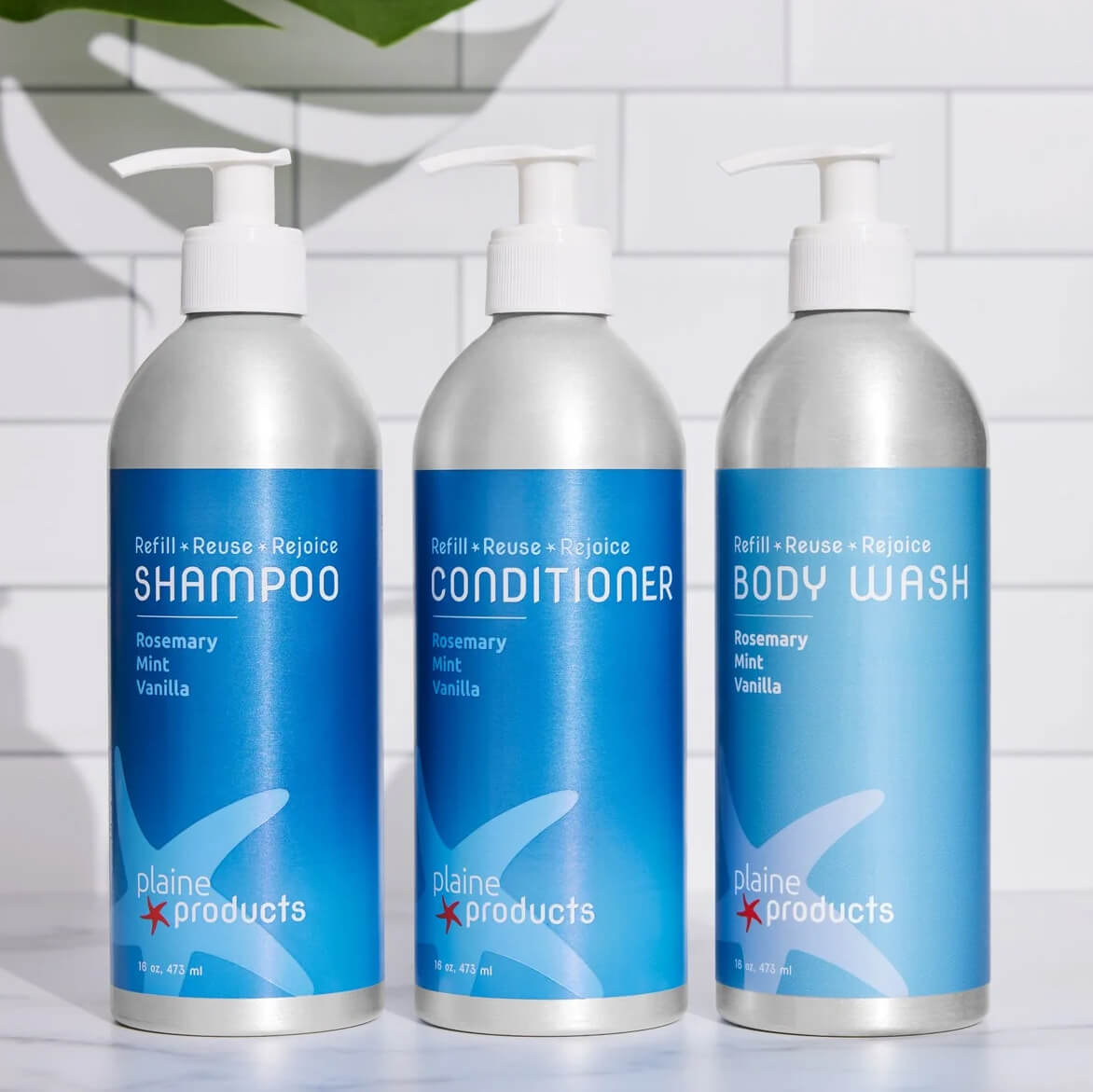
 Need a return label?