

Blog

The Climate Initiative
Plaine Products is proud to add The Climate Initiative (TCI) to our list of nonprofit partners. The Climate Initiative (TCI) is a nonpartisan, solutions-oriented organization that educates, equips, and activates youth to pursue local, tangible solutions to the climate challenge. In the summer of 2026, they are launching a new plastics-based Learning Lab module that gives educators a ready-to-use, science-grounded resource on plastic pollution. Who Is TCI Through its core Learning Lab educational modules and direct to youth climate leadership programming, TCI reaches young people where they are, in classrooms and communities alike. TCI recognizes that young people are essential to addressing climate change because they build climate awareness among their parents, communities, and decision makers. Through intergenerational conversations and youth-led climate action, TCI creates more vibrant and resilient communities across the country and the world. Plastics Learning Lab TCI’s newest Learning Lab module, co-created with biological oceanographer and microplastics researcher Dr. Jenni Brandon, gives educators a ready-to-use, science-grounded resource on plastic pollution. It reframes microplastics from an ocean issue into a human health issue, helping students see the direct line from plastic waste to their own communities and bodies. The module fits into existing curriculum without a full overhaul, making it easy for teachers to bring this science into the classroom right away. 6th Annual Climate Educators Retreat Plaine Products is proud to be a part of TCI’s flagship event that brings experienced climate educators and pre-service teachers together for three days of hands-on professional development. All of the attendees will get refillable travel-size shampoo and conditioner, and our gallon-size hand wash will be available in the LEEDS Certified dormitories. Educators build climate knowledge, connect with colleagues from across the country, and leave with real curriculum and projects they can bring straight into their classrooms. The retreat takes place at The Ecology School’s living building campus in Saco, Maine, with farm-fresh meals and on-site dormitory lodging included. It always sells out, and this year it leads right into TCI’s Changemakers Evening for Action on July 28th. Changemakers Evening for Action Plaine Products is thrilled to be sponsoring The Changemakers Evening for Action, which closes out TCI’s annual Climate Educators Retreat Week and brings TCI’s whole community together to celebrate the educators doing extraordinary work with Learning Lab resources. Each year, TCI recognizes a small group of teachers with its Changemaker Award, honoring the work they’re doing to build climate resilience in their own classrooms and communities, often with limited time, limited budget, and a whole lot of heart. This event is a chance to put names and faces to the work happening in classrooms across the country, and to bring sponsors, donors, and supporters into the room with the people actually doing it. The evening is open beyond retreat attendees, too, so local supporters, partners, and friends of TCI are part of the celebration.
Learn more
Hormone Disrupting Chemicals Are Hiding in Your Shower - The Live Lightly Podcast
You've been using the same shampoo, body wash, and face wash your whole life, trusting that if it's on the shelf, it must be safe. But what if the products you've been lathering onto your skin every single day contain chemicals that may be quietly working against your hormone health? Meet the woman who looked closer — and built something better.In this episode, hosted by @livelightlybyjessica | @thelivelightlypodcast Lindsey McCoy, co-founder of Plaine Products, a woman-owned small business shares a story that started ,not in a lab or a boardroom, but on the beaches of the Bahamas. What Lindsey witnessed there changed everything — and what followed was years of work, challenge, and determination to create something that didn't yet exist. A personal care line with only clean, responsibly sourced ingredients, packaged completely without plastic. Not because it was easy. Because it was right. In this conversation, we cover: ↳ Lindsey's journey from the Bahamas to co-founding Plaine Products ↳ What she witnessed that changed everything ↳ The real challenges behind building a truly clean, plastic-free personal care line ↳ What it takes to source ingredients responsibly without compromising on quality ↳ The difference between doing things right and doing things for the bottom line If you want to go deeper, check out The Hidden Microplastics Inside Your Home Masterclass, where Lindsey gets into full detail, breaking down: ↳ The hormone-disrupting chemicals hiding in conventional personal care products ↳ How microplastic exposure shows up in your everyday shower and face care routine ↳ How to spot greenwashing and misleading "clean" and "natural" claims ↳ What to actually look for when choosing safer alternatives for your family It's completely free, on demand, and available the moment you sign up. Sign up for the free Masterclass today, where you'll also find out which household items to consider swapping out first and how to find safer, healthier alternatives for your home.Disclaimer: The information shared in this episode is for educational and awareness purposes only and is not intended as medical advice. Please consult a qualified healthcare professional for any health-related concerns.
Learn more
Hair Care Challenges? We've Got Recommendations!
Everyone's hair is different. Specific hair challenges call for specific product recommendations. If any of these are your situation: promoting hair growth, brassiness from color treated hair, sensitive skin and scalp, or curly hair styling issues: we've got specialized product recommendations for you!
Learn more
Microplastics and Our Health
Now is the time to understand what microplastics are, how they impact our health, and how we can reduce our exposure with plastic-free products.
Learn more
How To Navigate Dry Skin in the Winter
Winter’s low humidity and indoor heating can strip skin of its natural moisture, leading to dryness, irritation, and flare-ups. We share simple winter skincare tips — from taking shorter, lukewarm showers to using aloe-based, deeply hydrating products, like Plaine Products — plus key ingredients that help restore and protect the skin’s moisture barrier all season long.
Learn more
Aloe is Plaine Products' Main Ingredient
Plaine Products uses aloe as its main ingredient instead of water, creating concentrated products that nourish hair and skin while cleansing. Sustainably sourced from certified, fair-trade farms, aloe provides powerful benefits for scalp health, hydration, and skin renewal — all with less waste and longer-lasting products.
Learn more
Microplastics everywhere, even in my shampoo?!
Plaine Products is plastic-free inside and out! Our bottles are aluminum, and our one-gallon jars are glass, both of which take back, disinfect and re-use through a rigorous washing process. It wasn’t easy but all of our ingredients are all-natural, vegan, cruelty-free, biodegradable, color safe and free of parabens, sulfates and toxins.
Learn more
Conscious Convenience: How LumiCup Offers an Eco-Friendly Alternative to Single-Use Plastics
This is a guest post from our friends at LumiCup. In 2019, my husband and I glimpsed a path to a more sustainable future by looking backward – to 1959. That’s the year the Adolph Coors Company unveiled the first aluminum beverage can, triggering the mass, global adoption of that now-universal technology. We had been searching for a legitimate alternative for the almost 500 billion-plus single-use plastic (SUP) cups sold annually and, pretty much in unison, slapped palms to foreheads the day we realized a single-use aluminum cold cup could be the key to moving consumers off their plastic addiction. What is plastic’s polar opposite? A material that’s so infinitely recyclable that every Plaine bottle and every LumiCup sold today retains a few dozen molecules of that very first Coors can. At their core, both companies address the same enormous challenge: encouraging consumers to change lifelong habits. We’ve all developed patterns that make our choices a reflexive act – largely unnoticed because we’ve repeated them so many times. Where Plaine makes it easy for customers to simply purchase the consumable part of their hair care regimen, Lumi offers a drinkware switch that swaps out the least-recyclable material on the market with the most-recycled material available. In both cases, the key to success is getting people to try them out and discover their superior performance. Disposables are way overdue for a rethink. Decades of misleading industry messaging led consumers to believe their plastic discards were magically transforming into other useful products. The deception worked for a long time, but today’s consumers are increasingly aware that single-use plastic is a serious problem. And yet, they remain in need of easily adoptable options that duplicate the experience they rely on for many tasks. For cold cups, Lumi created a drinkware experience that far exceeds what people have long accepted from single-use plastic, yet performs to the same size, weight, and stacking specifications that business customers require. Aluminum, as it turns out, can take on most of the shapes that plastic can. Beyond that, it does an exceptional job of keeping cold drinks cold for about 70% longer than a single-use plastic cup does. For anyone trying to enjoy a cold drink on a hot day, that’s a meaningful difference for keeping your ice from melting. And unlike single-use plastic cups, the end of the drink isn’t the end of the story for a LumiCup. Thanks to 66 years of training on aluminum cans, people intuitively understand what to do with their empty aluminum cup. It goes in the same recycling bin they’ve used for years and gets processed in the exact same way. In fact, because aluminum carries such a high value, even improperly sorted cans and cups are often recovered during sorting – it’s worth it to the waste handler to fish them out. Within about 60 days on average, waste aluminum returns to store and stockroom shelves in the form of a new product. Aluminum doesn’t degrade or diminish as it ages – it’s every bit as strong and pliable the 100th time it’s used as it is the first time. So, consumers choosing aluminum products are participating in one of the most virtuous product cycles available. Your container has probably already been recycled more times than you’ve had birthdays, and it will continue to service our economy merely by being properly sorted at the bin. LumiCups are made from 90% post-consumer recycled content, which also means their carbon footprint is very low – lower than the SUP cups they replace. More great news is that the world is really good at recycling aluminum. In most of Europe and Asia, more than 70% of aluminum is recycled every year – though that number is much higher in some particularly capable countries. America does a decent job with a recycling rate that floats in the 60% range, but if it were to raise its game to match the overseas standard, we’d gain a lot more affordable and eco-friendly metal for commercial and industrial uses. Our cultural concept of how we should make things is finally starting to unstick from the self-defeating methods that were once an easy default choice. The avalanche of single-use plastic is simply untenable for our planet and its future residents. Many of us grew up in a world where waste plastic didn’t shadow our every step in every natural space we visited. Regrettably, today’s and future generations will never know that world. We can begin to reverse that tide by finding ways in our daily routines to swap in refillable products or single-use items with unlimited recyclability and the greatest odds of reuse. Lumi is fundamentally optimistic about the future course of these important choices; otherwise, we would not have invested so much into building this brand. Society is moving in our direction as well, as companies large and small feel pressure to source more sustainably and reflect the value standards of their customers. Where offering sustainable products was once seen as an exceptional move, now it’s increasingly seen as a basic responsibility. The best part of this virtuous cycle is that as more people gain exposure to these great options, the transition becomes self-reinforcing. Where we once accepted that a “sustainable” product came with certain limitations or required us to sacrifice some degree of convenience, the opposite is now the case. Today’s generation of sustainable products are proving we can exceed consumer expectations while safeguarding our shared environment. A quirk of history may be that single-use plastic had such an uninterrupted run – certainly longer than you see in just about any other category. People are used to rapid changes in smartphones, fashion, food, and anything cultural, but they got a bit stuck on the idea that plastic is the only way to make a useful container. Single-use plastic, like skinny jeans and cronuts, has seen its time come and go. We may have liked it back in the day, but we’ve moved on, and we don’t need to look back. Lumi is pleased to stand with Plaine Products in offering “what’s next,” and making sure – this time – it’s going to be a good choice. Paul Kradin is the Chief Sustainability Officer at Lumi, manufacturer of recyclable aluminum drinkware like the LumiCup -- the lightest single-use aluminum cold cup on the market.
Learn more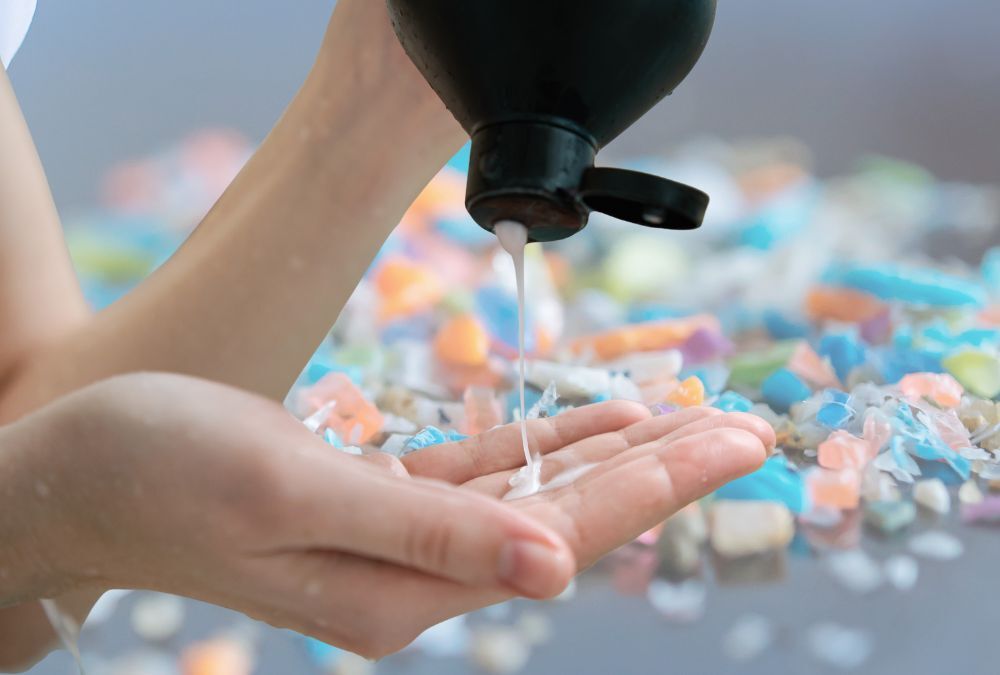
It's Not Just the Bottles: Keeping Plastic Out of Our Products
Plastic isn’t just on the outside of products, it can be inside them too.
Learn more
 Need a return label?